
Understanding the psychology behind gambling behavior in casinos
Understanding the psychology behind gambling behavior in casinos
The allure of gambling
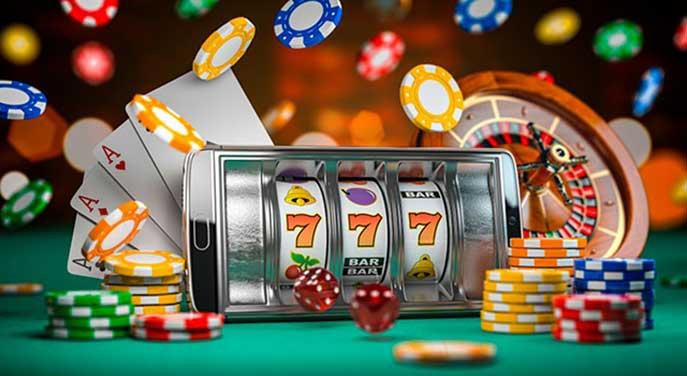
The excitement of gambling often stems from the thrill of risk-taking and the possibility of winning big. Casinos are designed to create an exhilarating atmosphere that entices visitors to engage in games of chance. The flashing lights, vibrant sounds, and the overall ambiance work to heighten emotions and create a sense of urgency. This environment activates the brain’s reward system, making the experience feel addictive and stimulating. Many people find themselves exploring options, even looking into online poker for money as part of their gambling pursuit.

Moreover, the unpredictability of outcomes in gambling adds to its allure. Each spin of the slot machine or shuffle of the cards brings with it a rush of anticipation, making players eager to try their luck. This anticipation is a crucial psychological element, as it can lead to a temporary escape from reality, allowing individuals to immerse themselves in a world where anything seems possible.
Additionally, the psychology of loss aversion contributes to gambling behavior. Individuals tend to feel losses more intensely than gains, leading to a desire to recover lost money. This compulsion can result in chasing losses, where players continue to gamble in hopes of turning their luck around, often leading to further financial hardship.
Social dynamics within casinos also influence gambling behavior. The communal aspects of gaming create an environment where players feed off each other’s energy and enthusiasm. Shared experiences, whether celebrating a win or lamenting a loss, can strengthen bonds among players and increase the likelihood of continued participation.
Furthermore, the presence of friends or family can act as a catalyst for gambling. People may feel more comfortable taking risks when surrounded by supportive companions. This social influence can amplify the decision to gamble, often leading to behavior that one might not engage in alone.
Casinos invest heavily in marketing strategies and design elements that cater to psychological tendencies. The layout of a casino is often engineered to keep players engaged for longer periods. For example, the absence of windows and clocks disorients visitors and prevents them from tracking time, encouraging extended play. Additionally, loyalty programs and incentives further entice players to return, creating a cycle of reinforcement.
Promotional offers, such as free drinks or complimentary stays, also play a role in gambling behavior. These incentives can make players feel valued and promote a sense of belonging. The psychological effects of being treated like a VIP can lead individuals to gamble more than they initially intended, reinforcing a habitual cycle of behavior.
Understanding the psychology behind gambling behavior in casinos is essential for comprehending why individuals engage in this activity. Factors such as the allure of risk, psychological triggers, social influences, and marketing strategies all play critical roles in shaping gambling experiences. By recognizing these elements, both players and industry professionals can work towards responsible gaming practices.
The website offers valuable insights into the world of gambling, ensuring visitors can stay informed about the latest trends and analyses. By prioritizing education and awareness, it aims to enhance the overall gambling experience while promoting a culture of responsible gaming.
«`